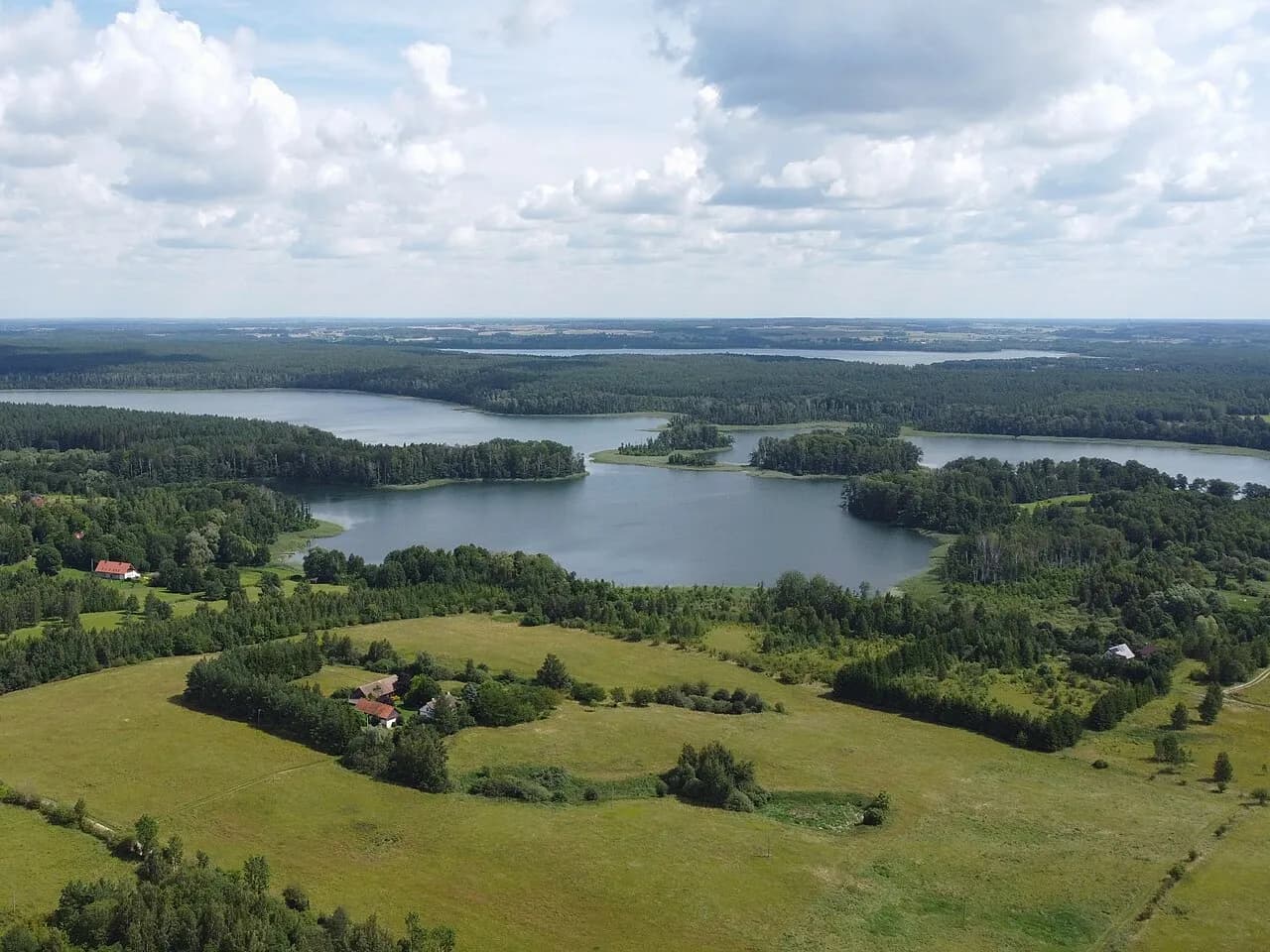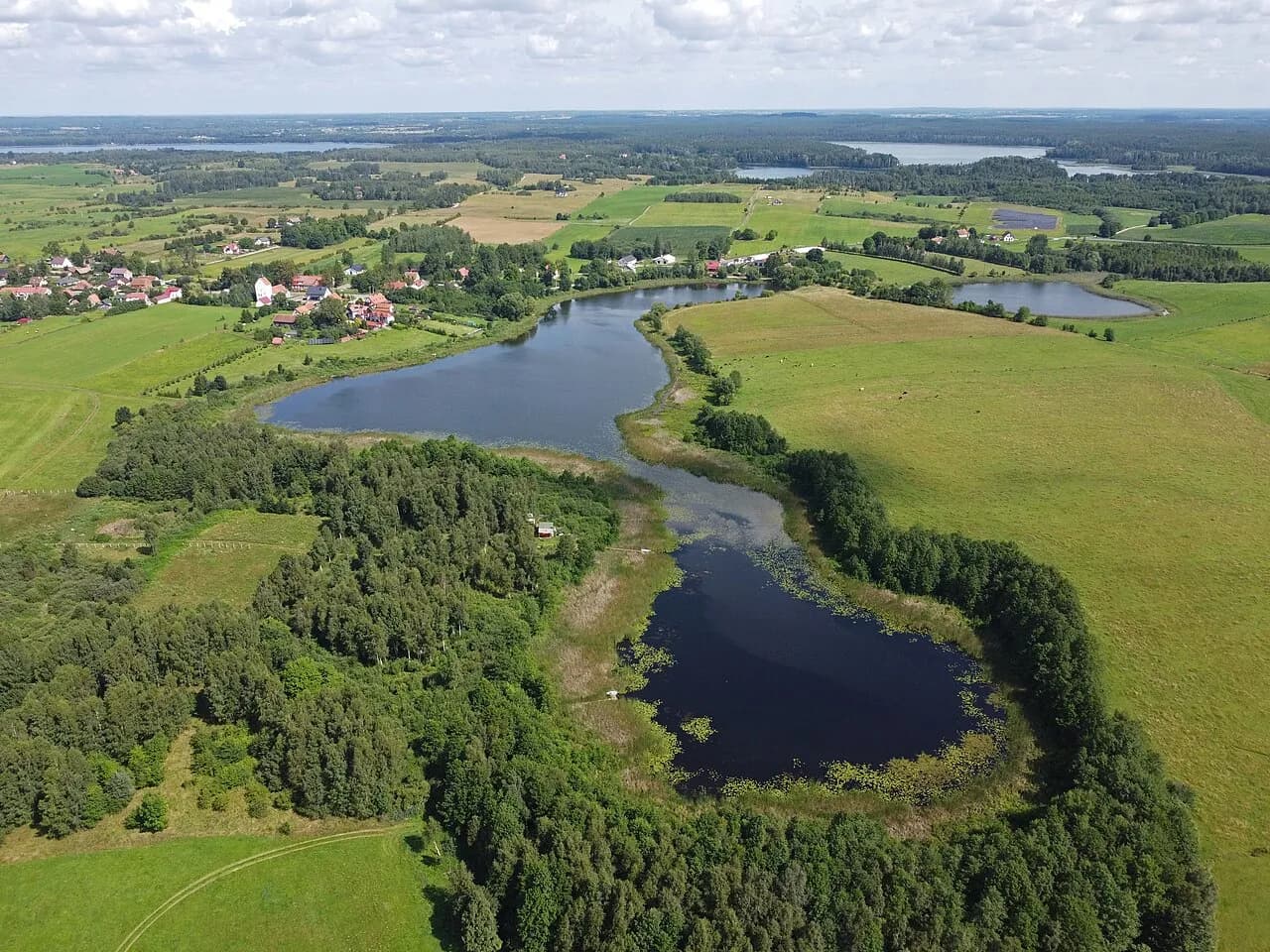
Stand on the shores of Lake Ukiel on a warm summer evening and it quickly becomes clear why Olsztyn has earned its reputation as Poland's City of Lakes. Sailboats drift quietly across the water, cyclists weave along lakeside paths, paddleboarders glide towards the horizon and families gather on the beach as the sun begins to set. Just a few kilometres away, the cobbled streets of the Old Town are filled with cafés, restaurants and centuries of history.
It is a combination that surprises many first-time visitors.
Unlike many European cities where nature begins beyond the suburbs, Olsztyn has grown around its lakes. Here, water is not simply a scenic backdrop or a weekend destination. It shapes neighbourhoods, influences daily routines and defines the city's identity.
Located in the heart of the Warmian-Masurian Voivodeship, Olsztyn is home to around 170,000 residents and serves as the region's administrative, educational and cultural centre. Yet despite its role as a regional capital, it remains one of Poland's greenest cities, where forests, rivers and lakes are never far from view.
It is this remarkable relationship between urban life and nature that has earned Olsztyn the title of the City of Lakes.
More than a nickname
Many destinations promote themselves as being close to lakes, but Olsztyn is genuinely built amongst them.
The city contains 11 lakes within its administrative boundaries, covering more than 700 hectares and accounting for around eight per cent of its total area. Rather than replacing these natural features with development, generations of planners have allowed the city to evolve around them.
As a result, residents are rarely more than a short walk or cycle ride from the water.
This close connection with nature is one of the reasons Olsztyn consistently appeals to people looking for a slower pace of life without sacrificing the conveniences of a modern city.
Whether commuting to work, exercising after school or enjoying an evening stroll, the lakes are woven into everyday life rather than reserved solely for holidays or special occasions.
Lake Ukiel is the city's outdoor living room
If one place captures the spirit of Olsztyn, it is Lake Ukiel.
Covering approximately 412 hectares, it is the largest lake within the city and has become the focal point for outdoor recreation throughout the year.
On sunny days, the waterfront comes alive. Families spread out on the beaches, sailing clubs launch boats from the marina and cafés fill with visitors enjoying views across the water. Cyclists and runners share the lakeside paths, while paddleboarders and kayakers explore quiet coves hidden along the shoreline.
The development of the modern Ukiel Recreation Centre has transformed the area into one of Poland's finest urban waterfronts without losing its natural character.
For residents, Lake Ukiel is far more than a tourist attraction. It is where children learn to sail, friends meet after work and community events bring people together throughout the summer.
Every lake has its own character
Although Lake Ukiel attracts much of the attention, it is only one part of Olsztyn's extensive network of lakes.
Lake Kortowskie
Located beside the University of Warmia and Mazury, Lake Kortowskie is closely associated with student life.
Throughout the academic year, rowing crews train on the lake while walking paths provide a peaceful escape from the busy university campus. The lake is also recognised for its innovative environmental management, with an annual process that releases deeper water to improve water quality, an approach that has attracted international interest for decades.
Beyond the best-known lakes
Elsewhere across the city, lakes such as Lake Długie, Lake Skanda, Lake Redykajny, Lake Sukiel, Lake Tyrsko and Lake Track each offer something different.
Some are popular for swimming during the summer months.
Others provide peaceful woodland walks, fishing spots or birdwatching opportunities.
Together, they create a landscape where residents can choose between lively waterfronts and tranquil natural settings, often within a few minutes of one another.
Shaped by glaciers thousands of years ago
Olsztyn's remarkable landscape began forming more than 12,000 years ago.
As glaciers retreated at the end of the last Ice Age, they carved depressions into the landscape that gradually filled with meltwater. These glacial lakes became one of the defining features of what is now the Warmia and Masuria region.
Today, this geological history continues to shape the city.
The rolling terrain, wooded hills and interconnected lakes create a landscape unlike almost anywhere else in Poland, giving Olsztyn a distinctive sense of place that visitors notice almost immediately.
A city where forests meet the water
The lakes tell only part of Olsztyn's story.
Almost one-third of the city consists of forests, parks and green spaces, including the vast Municipal Forest, one of Europe's largest urban forest complexes.
These woodlands connect naturally with the lakes, creating an extensive network of walking and cycling routes that encourage residents to spend time outdoors throughout the year.
In spring, woodland paths burst into colour.
Summer brings sailing, kayaking and open-air events.
Autumn transforms the forests into shades of gold and amber.
Even winter has its own charm, with frozen lakes and snow-covered trails providing a peaceful backdrop to daily life.
This changing landscape gives Olsztyn a strong seasonal identity, something residents value as much as visitors.
History surrounded by nature
Despite its reputation for outdoor living, Olsztyn is equally rich in history.
Its beautifully preserved Old Town remains centred around the Gothic castle where Nicolaus Copernicus once served as Administrator of the Warmia Chapter in the early sixteenth century.
Historic streets, traditional architecture and independent cafés sit within easy reach of lakeside beaches and forest trails, allowing visitors to experience centuries of history without travelling far between attractions.
This combination of medieval heritage and natural beauty makes Olsztyn different from many city break destinations in Poland.
Rather than competing for attention, the city's history and landscape complement one another.
Why Olsztyn stands apart
Many visitors arrive in Warmia and Masuria expecting beautiful lakes.
What often surprises them is finding a thriving regional capital where those lakes remain central to everyday life.
Unlike purpose-built holiday resorts centred on a single waterfront, Olsztyn functions as a modern city throughout the year while preserving exceptional access to nature.
Public beaches, marinas, cycling routes and woodland trails remain open and accessible, allowing both residents and visitors to enjoy the landscape without leaving the city.
As cities across Europe continue searching for ways to improve quality of life and promote sustainable development, Olsztyn quietly demonstrates how urban growth and environmental preservation can exist side by side.
image credit: Emptywords, CC BY-SA 4.0