Olsztyn remembers Copernicus for the stars, but his years here were equally concerned with people, administration, money and military defence.
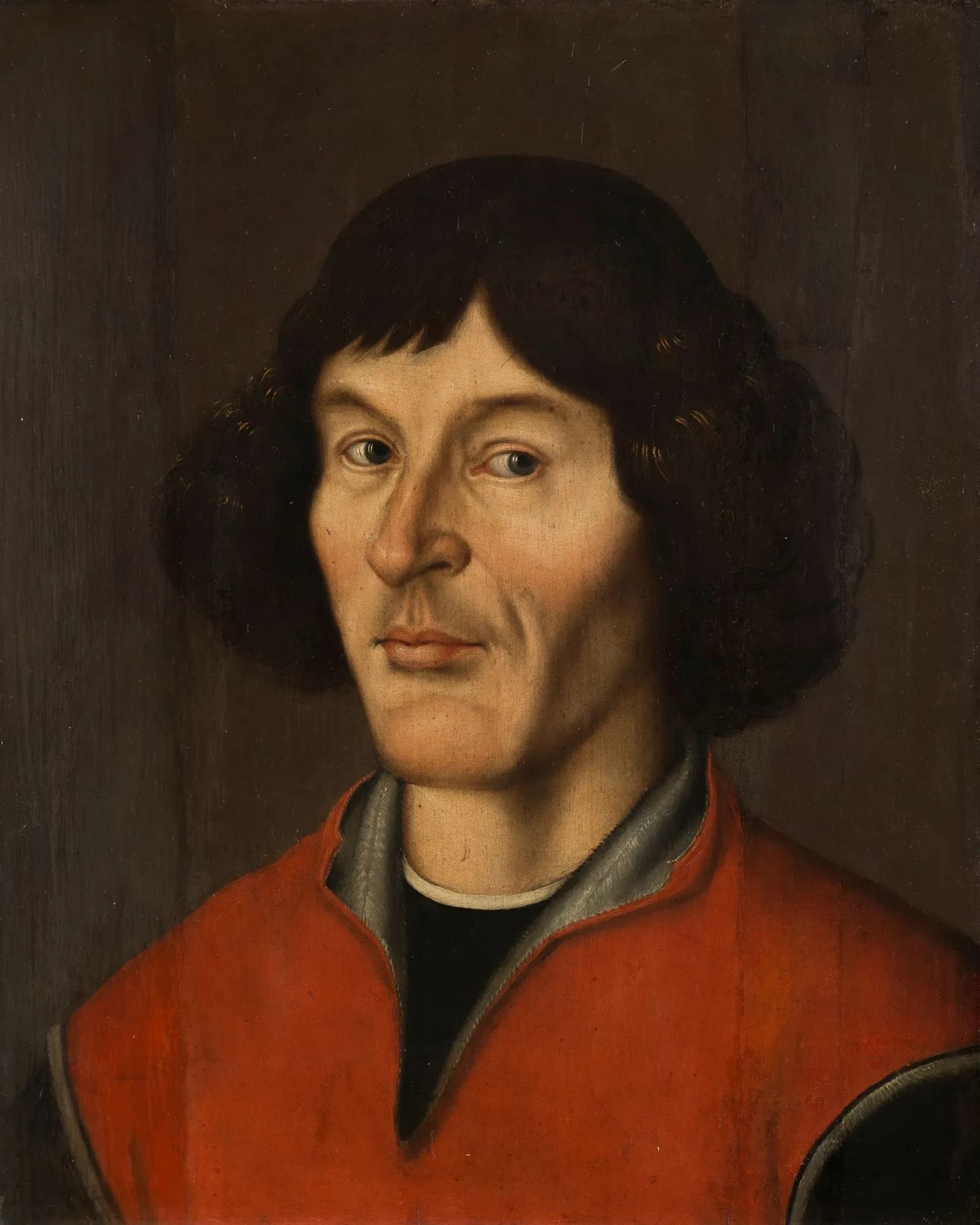
It is easy to associate Nicolaus Copernicus with the night sky. In Olsztyn, however, his story has a distinctly earthly dimension.
The astronomer first visited the Warmia Chapter here in 1511. A few years later, Olsztyn became one of the places where his responsibilities reached far beyond scholarly study. He lived in the castle from 1516 to 1519 and again from 1520 to 1521, serving as an administrator of the Chapter.
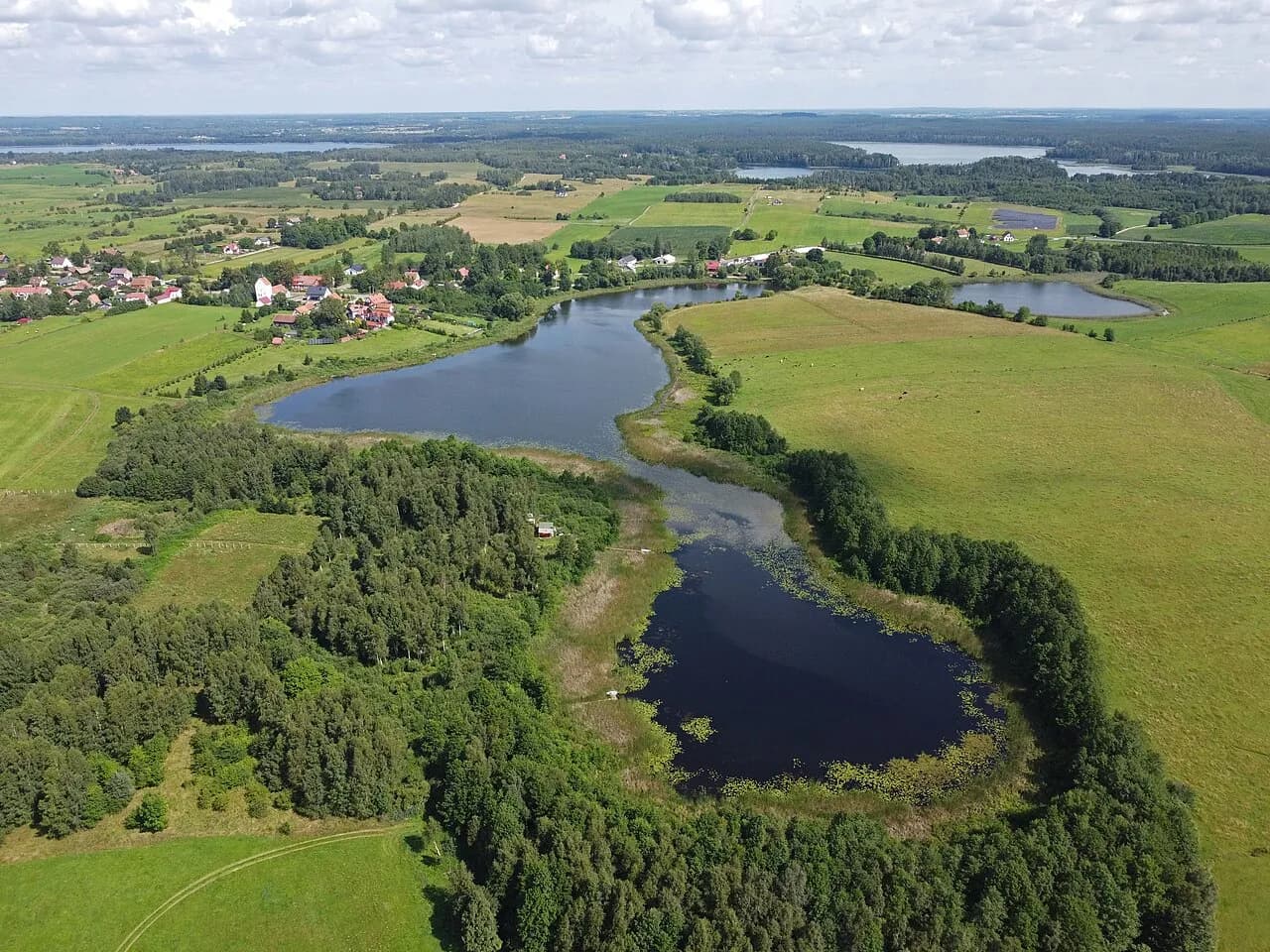
That position took him into the surrounding countryside. Among his duties was arranging for villages left depopulated by warfare to be settled again. His travels through Warmia resulted in a manuscript known as Lokacje łanów opuszczonych (Locations of Abandoned Patches), documenting visits to 43 villages.
The work offers an unusually practical perspective on Copernicus. The man associated with observations of the heavens was also dealing with the consequences of conflict on the ground.
A castle at the centre of his work
The setting for much of this activity was the castle of the Warmia Chapter. Construction had begun around 1348, with its northern wing completed during the second half of the 14th century. The southern wing followed in the middle of the 15th century and included a round tower rising 30 metres.
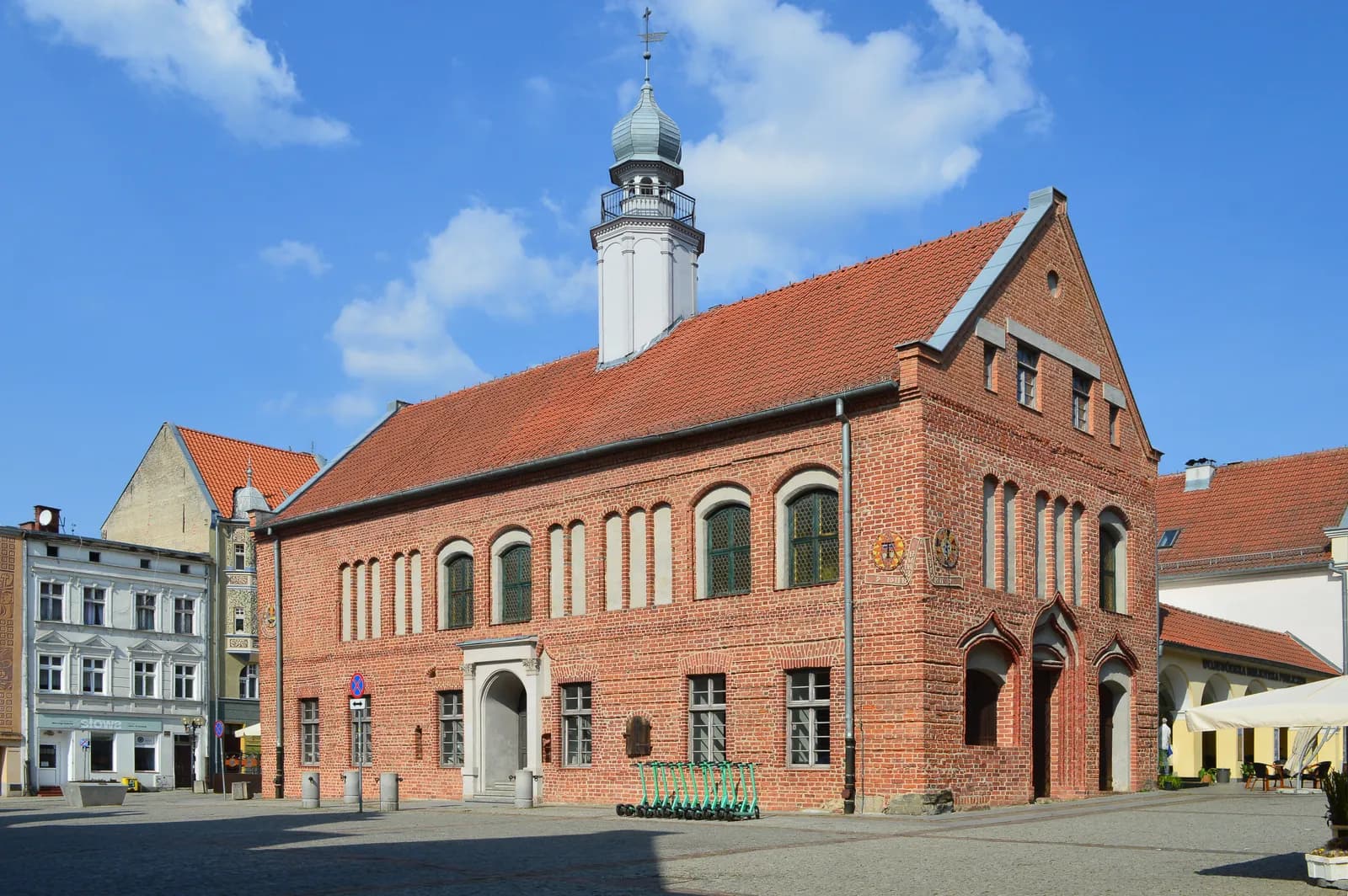
By the time Copernicus lived there, the castle was part of a much older story. Olsztyn had received town rights in 1353, and the city's medieval character can still be traced through buildings including the Basilica of St James the Apostle, St Lawrence Church, the Old Town Hall, the High Gate and surviving sections of the city walls.
The castle also became a place where Copernicus dealt with economic questions. In 1517, Warmian Bishop Fabian Luzjanski commissioned him to write a treatise on monetary reform. Two years later, he developed the work into The Principles of Minting Coinage.
Then circumstances demanded another kind of expertise.
In 1520, Copernicus prepared the castle and town for an anticipated attack by the Teutonic Knights. When the attack came in January 1521, the Teutonic Knights stormed the town walls near the Młyńska Gate. The preparations had achieved their intended effect.
Copernicus continued to return to Olsztyn many times during the following two decades, reinforcing the city's place in his life.
Reading Copernicus through the city
The strongest physical connection with Copernicus remains inside the castle, now home to the Museum of Warmia and Mazury. Its Copernicus exhibition includes an extraordinary surviving astronomical table made by the astronomer on a cloister wall.
The table measures 705 by 140 centimetres and records the apparent movement of the Sun during the spring and autumn equinoxes. It is described as the world's only preserved astronomical instrument handmade by Copernicus.
His presence also survives in public art. A bust created by Berlin sculptor Johannes Götz was unveiled in the castle park in 1916. Outside the castle entrance stands a sculpture by Urszula Szmyt, installed in 2003. Designed as a bench, it allows visitors to sit beside the astronomer himself.
Olsztyn's astronomical connection continued into the modern era. In 1973, marking the 500th anniversary of Copernicus's birth, the city opened a planetarium. Nearby, an astronomical observatory was established in a former water tower.
The city offers another side of itself beyond its Copernican heritage, with the Ukiel Recreation and Sports Centre providing summer activities, the Aquasfera Recreation and Sports Centre operating throughout the year, and canoeing available on the Łyna and smaller surrounding rivers.
Yet it is the castle that brings the story together. Here, Copernicus's work was not confined to astronomy. He dealt with the practical affairs of a region, responded to the threat of war and pursued questions of economics, while also leaving behind evidence of his scientific work.
Olsztyn therefore offers a broader way of understanding Copernicus. His legacy here is not only written in the stars, but also into the walls, documents and places where he once carried out the responsibilities of everyday life.