Life in Olsztyn unfolds among buildings that do more than provide shelter or frame the cityscape. For residents across Warmińsko-Mazurskie, these familiar streets and landmarks quietly tell the long, shifting story of their home. Olsztyn’s architecture stands as the clearest record of its journey from a medieval frontier settlement, through changing rulers and societies, to the regional capital it is today.
Where History Meets Everyday Life
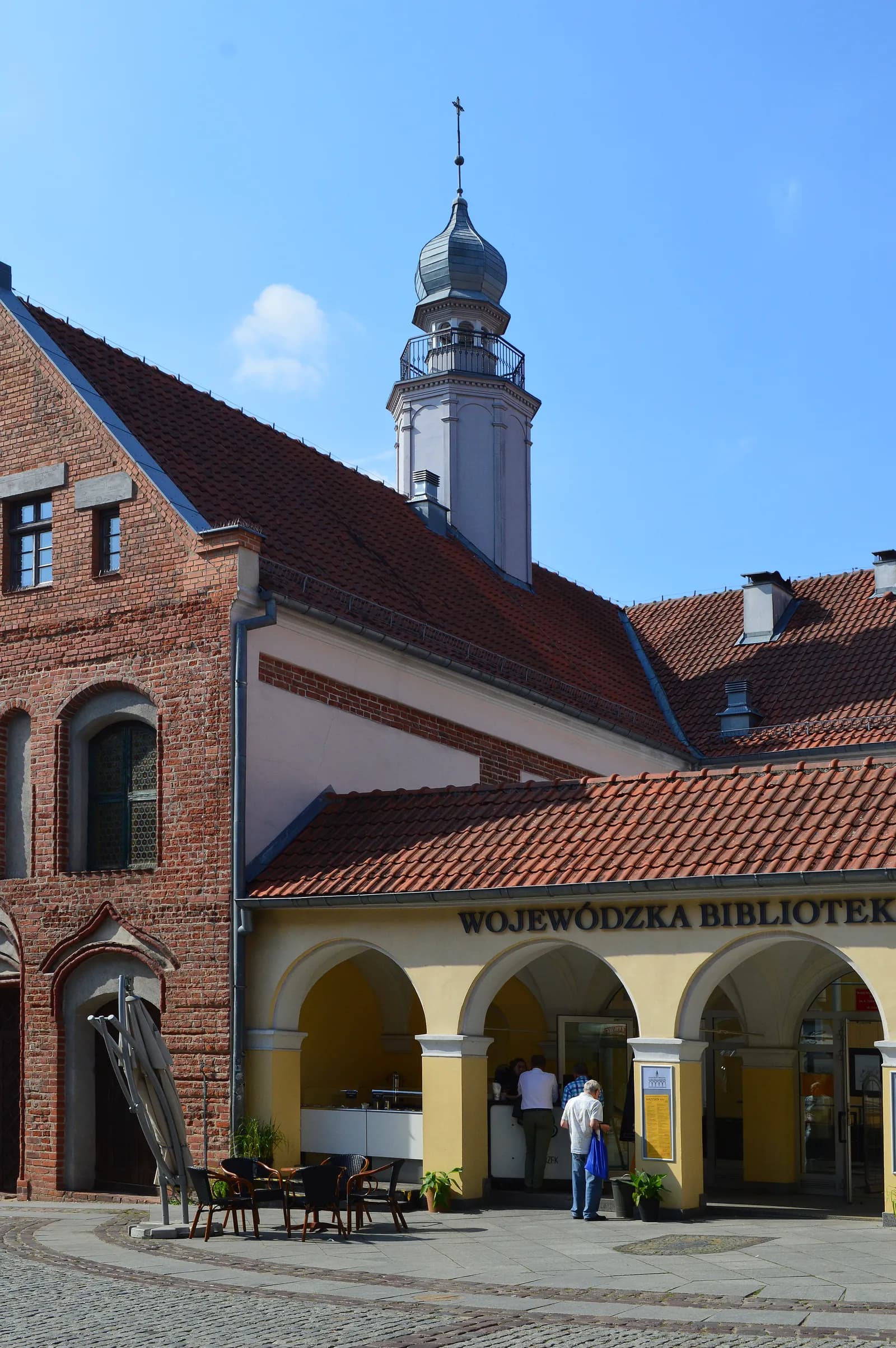
The core of Olsztyn’s historic identity sits in its Old Town. Here, everyday routines play out against some of the city’s oldest landmarks, such as the Warmia Chapter Castle. Built in the 14th-century Gothic style, the castle was once both fortress and administrative centre, and today serves as the Museum of Warmia and Mazury. Its presence anchors local heritage, making it a tangible link to the city’s earliest recorded days. For visitors and residents alike, the castle isn’t just a monument – it’s a centre for culture, learning and community events.
Just steps from the castle stands the Upper Gate, also known as the High Gate. This is the last surviving gateway from Olsztyn’s original defensive walls, a direct reminder of times when the city stood as a fortified outpost. Its enduring brickwork continues to mark the boundary between the Old Town and the rest of the city, quietly connecting daily comings and goings with centuries of vigilance and resilience.
A City of Civic and Spiritual Foundations
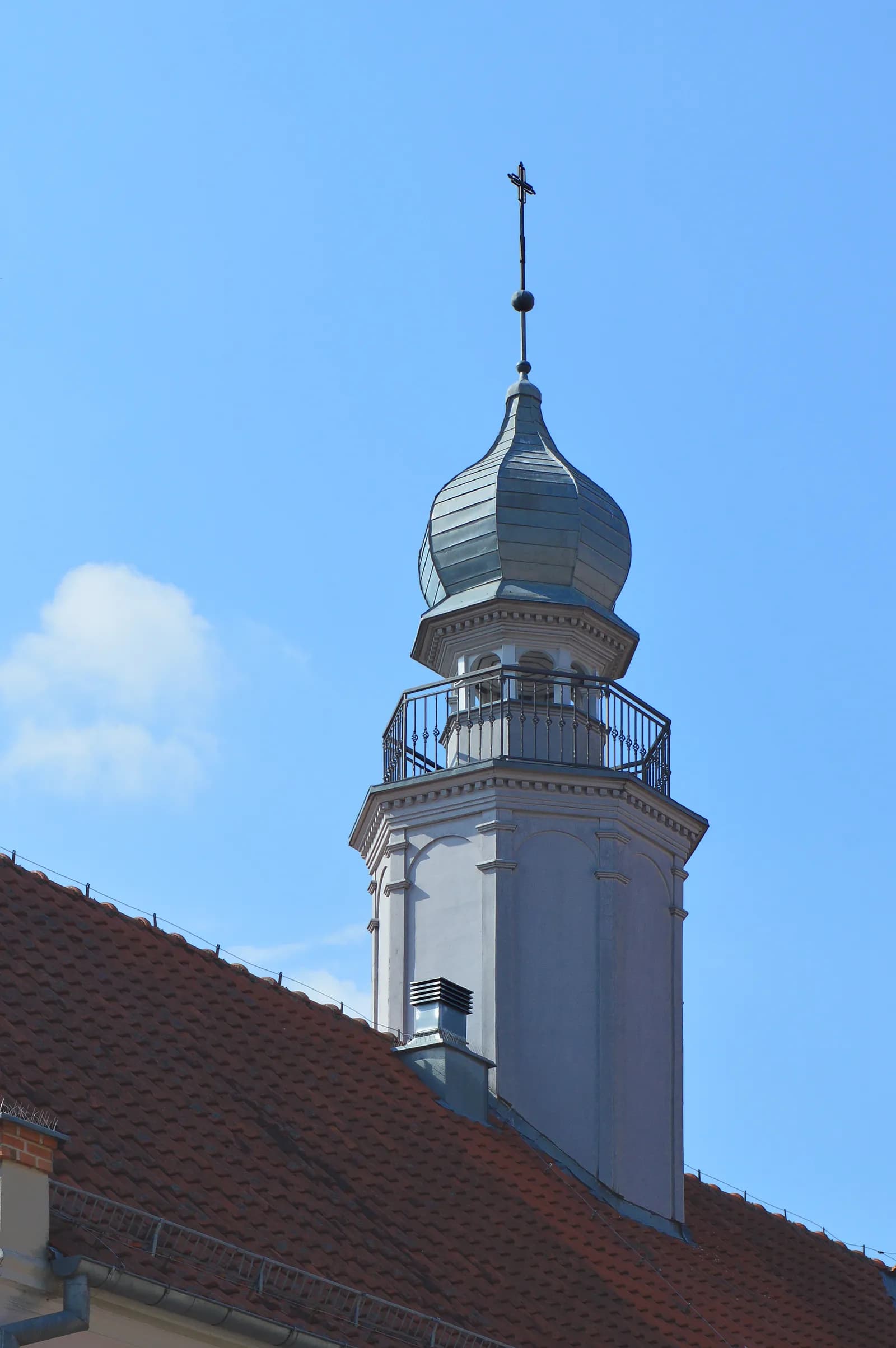
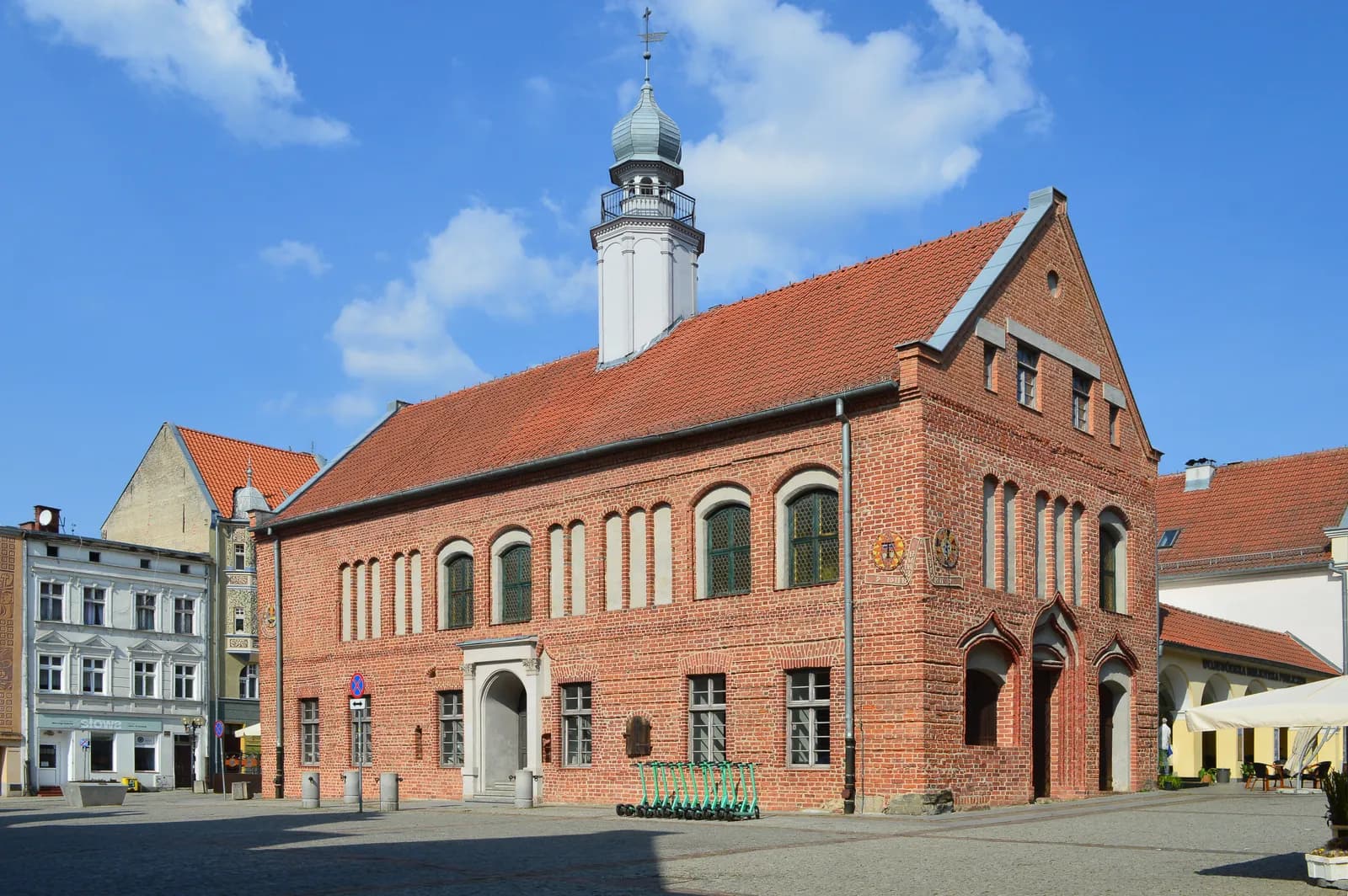
The influence of faith and civic pride also finds strong expression in Olsztyn’s urban landscape. The St James Co-cathedral, considered one of the city’s most important Gothic buildings, dominates the Old Town’s skyline. Serving both spiritual and historic functions, it is a constant reminder of religion’s role in local life, past and present. Nearby, the Old Town Hall reflects Olsztyn’s growing autonomy after the city received municipal rights in the late 14th century. Today, these buildings are not only stops for sightseers, but also part of the background to gatherings, festivals and everyday exchanges in the city centre.
Modern Layers in a Medieval Frame
Olsztyn’s historic heart sits alongside streets lined with 19th and 20th-century buildings, from secession (Art Nouveau) facades to neo-Gothic public institutions. These layers of architecture chart the city’s expansion and shifting priorities, from Prussian administration to post-war growth. The streets themselves, their layouts tracing the medieval plan, underscore this long continuity, even as they adapt to new uses and neighbourhoods.
For many locals, Olsztyn’s landmarks function more as everyday companions than distant relics. Apartment blocks, schools, offices and public buildings intermingle with centuries-old walls and towers. This living environment helps foster a sense of place, offering both pride in the area’s remarkable heritage and a canvas for the city’s future.
As the regional capital, Olsztyn benefits from its built legacy in practical ways as well. The museum and historic core support local education, tourism and business, drawing visitors from across Warmińsko-Mazurskie while shaping community life. For those who call the city home, these buildings are proof that Olsztyn’s story is not just to be seen, but lived daily.
See more: Copernicus in Olsztyn: The Astronomer Behind the Astronomy