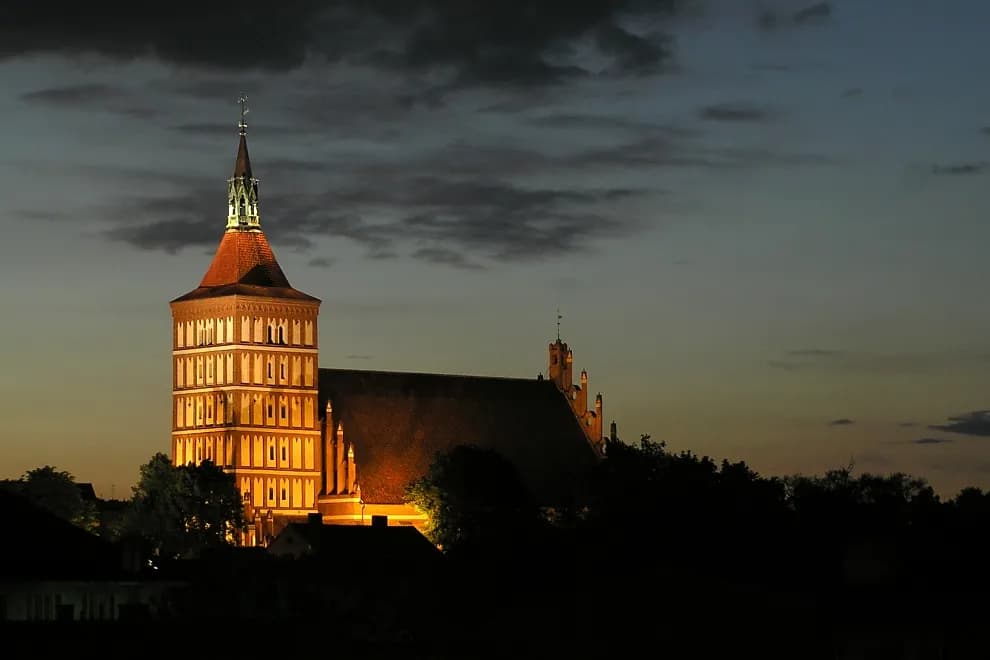
Nestled among forests, rivers and sparkling lakes, Olsztyn is a city where history feels woven into everyday life. Walk through the cobbled streets of the Old Town, cross the bridges over the Łyna River or stand beneath the red-brick towers of Olsztyn Castle, and it quickly becomes clear that this is far more than a gateway to the Masurian Lake District. It is the historic heart of Warmia, a region with its own distinct identity, traditions and centuries-old story.
For many visitors, Olsztyn is their first introduction to northern Poland. They arrive for the lakes, outdoor activities and relaxed atmosphere, only to discover a city whose past has been shaped by medieval bishops, Teutonic knights, Polish kings and one of history's greatest astronomers, Nicolaus Copernicus. Every corner of the city reflects this remarkable journey, from Gothic architecture and defensive walls to museums, churches and public spaces that continue to celebrate Olsztyn's unique heritage.
Understanding the history of Olsztyn adds a new dimension to every visit. It reveals not only how the city was built, but also why it remains the cultural, administrative and historical centre of Warmia today.
The Birth of Olsztyn
The history of Olsztyn begins in the early fourteenth century along the banks of the Łyna River, where dense forests and natural waterways offered both protection and opportunity. Around 1334, Henryk von Luter established a wooden-earth watchtower known as Allenstein. The name is believed to originate from an Old Prussian word meaning "hind", reflecting the area's natural landscape long before permanent settlement took shape.
The settlement received formal recognition in 1346 and appeared in written records two years later. Around the same time, construction began on what would become the city's defining landmark, the Castle of the Warmian Cathedral Chapter.
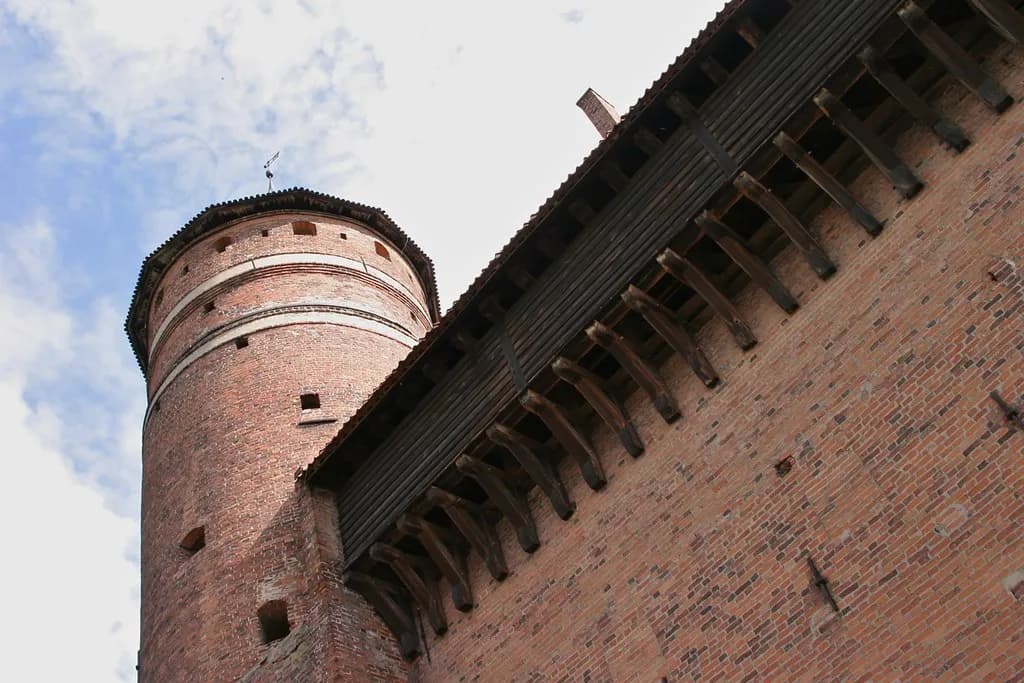
Although often associated with the Teutonic Order, the castle was commissioned and owned by the Warmian Cathedral Chapter. Built between 1346 and 1353 in the distinctive Brick Gothic style, it served as an administrative headquarters, defensive fortress and residence for officials overseeing the surrounding estates. Protected by walls, a moat and the natural course of the Łyna River, the castle became the focal point around which medieval Olsztyn steadily expanded.
Today, visitors walking through the castle courtyard are standing where the foundations of the modern city were first established more than 670 years ago.
Warmia: A Region with Its Own Identity
One of the most common misconceptions is that Olsztyn belongs to Masuria. While it serves as the capital of the Warmian-Masurian Voivodeship, the city is historically part of Warmia, a region with a distinct cultural and religious heritage.
Unlike neighbouring Masuria, which developed under different political and religious influences, Warmia was governed for centuries by the Prince-Bishops and the Warmian Cathedral Chapter. This ecclesiastical administration helped shape everything from architecture and education to local customs and traditions.
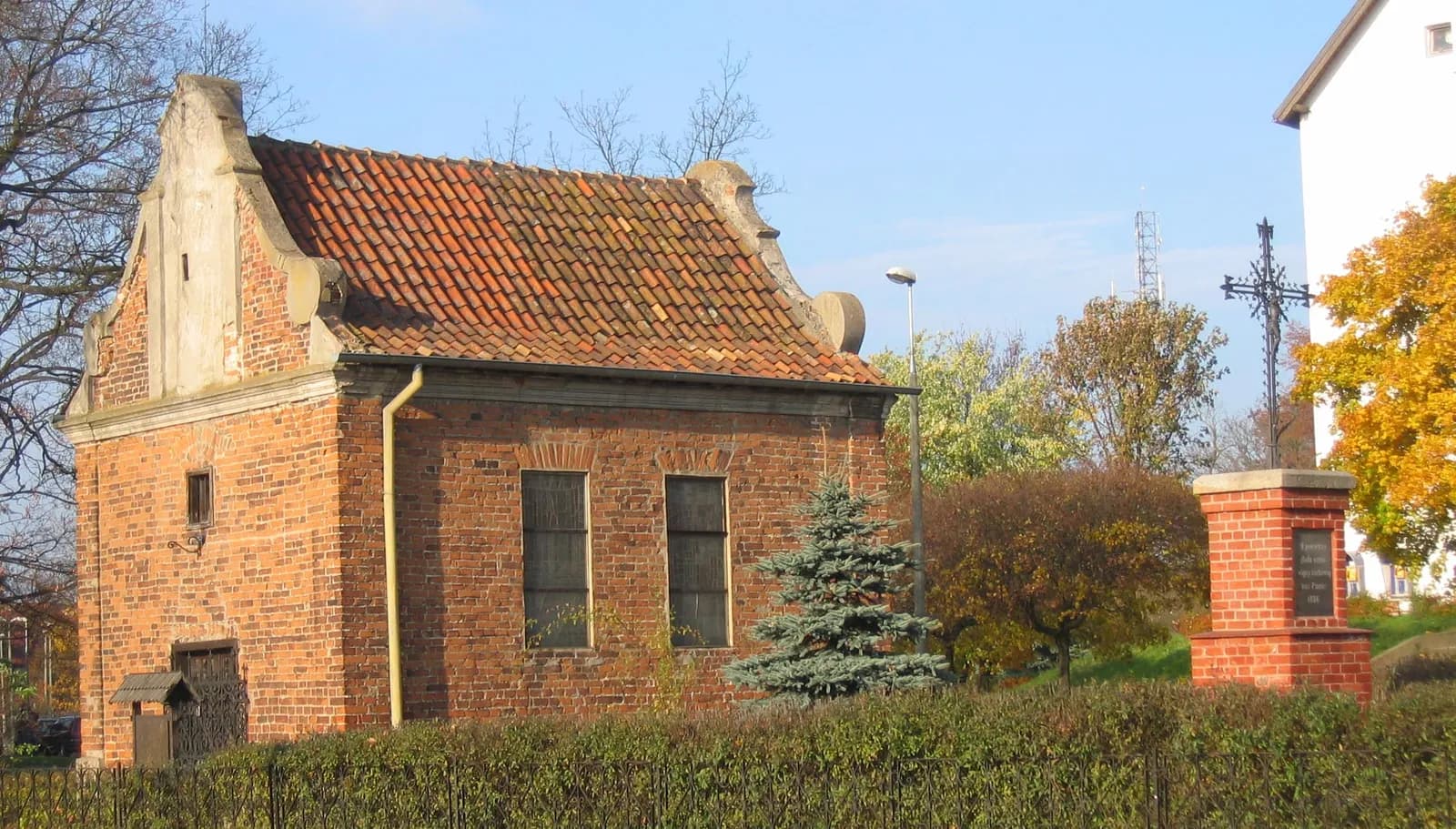
Even today, Warmia retains its own identity, reflected in historic churches, roadside shrines, regional cuisine and centuries-old cultural traditions. Olsztyn remains its principal city, acting as the region's administrative, educational and cultural centre.
For visitors exploring northern Poland, understanding this distinction offers a richer appreciation of the city's unique character.
Conflict, Change and a Growing Town
Like many medieval settlements, Olsztyn found itself at the centre of regional conflict.
Its strategic position meant the castle frequently became involved in the struggles between the Kingdom of Poland and the Teutonic Order. Following the Battle of Grunwald in 1410, Polish forces briefly occupied the fortress before it later returned to Teutonic control.
A defining chapter came in 1454, when the townspeople joined the Prussian Confederation's uprising against the Teutonic Order and pledged allegiance to King Casimir IV of Poland. After the Second Peace of Toruń in 1466, Warmia became part of the Kingdom of Poland while retaining significant autonomy under its ecclesiastical rulers.
Peace brought opportunity.
Situated on important trading routes linking Warsaw with Königsberg, Olsztyn developed into a prosperous market town. Craftsmen, merchants and farmers all contributed to the city's growing importance, while its carefully planned streets and marketplaces laid the foundations for the attractive Old Town visitors enjoy today.
Nicolaus Copernicus and Olsztyn Castle
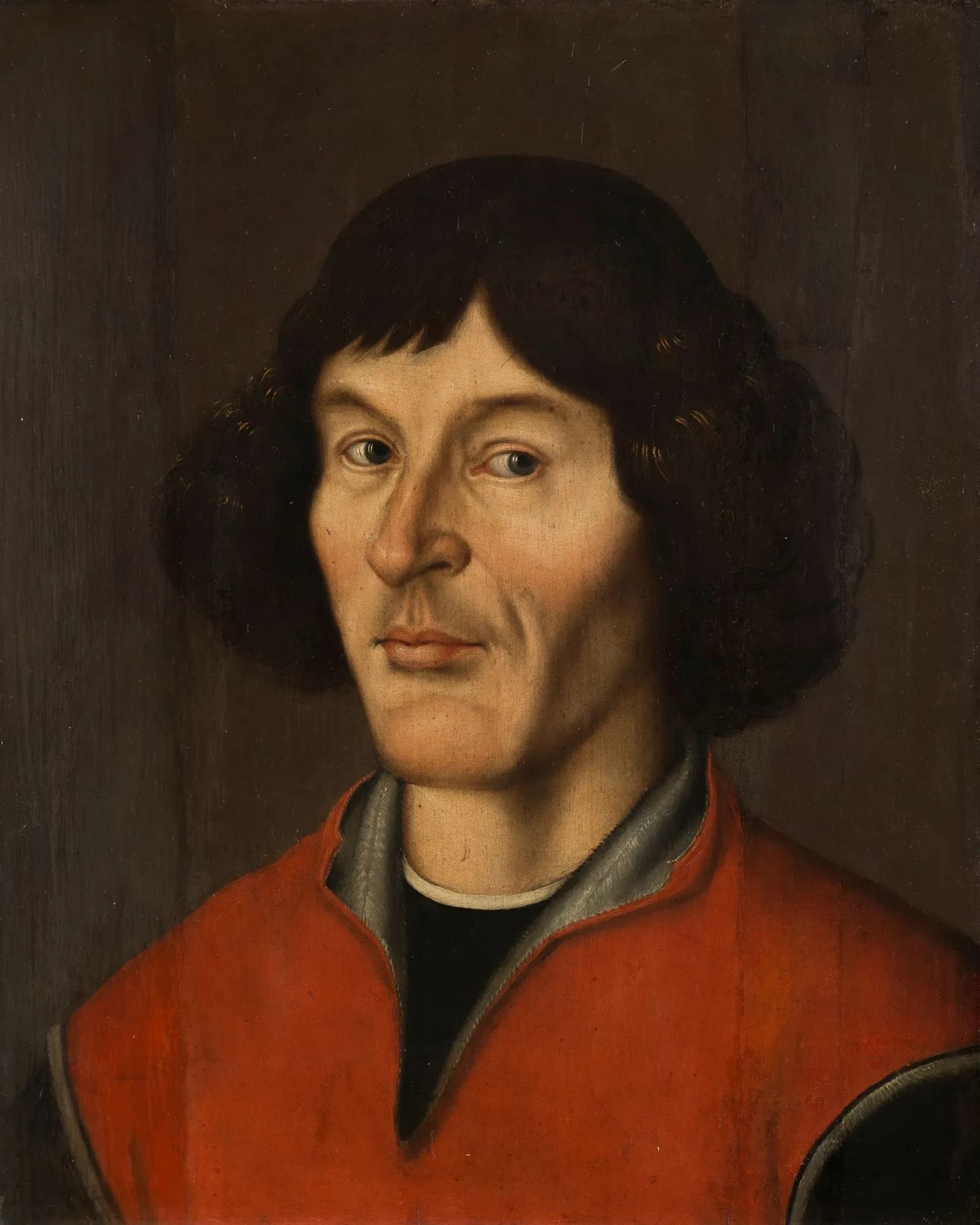
No individual has left a greater mark on the history of Olsztyn than Nicolaus Copernicus.
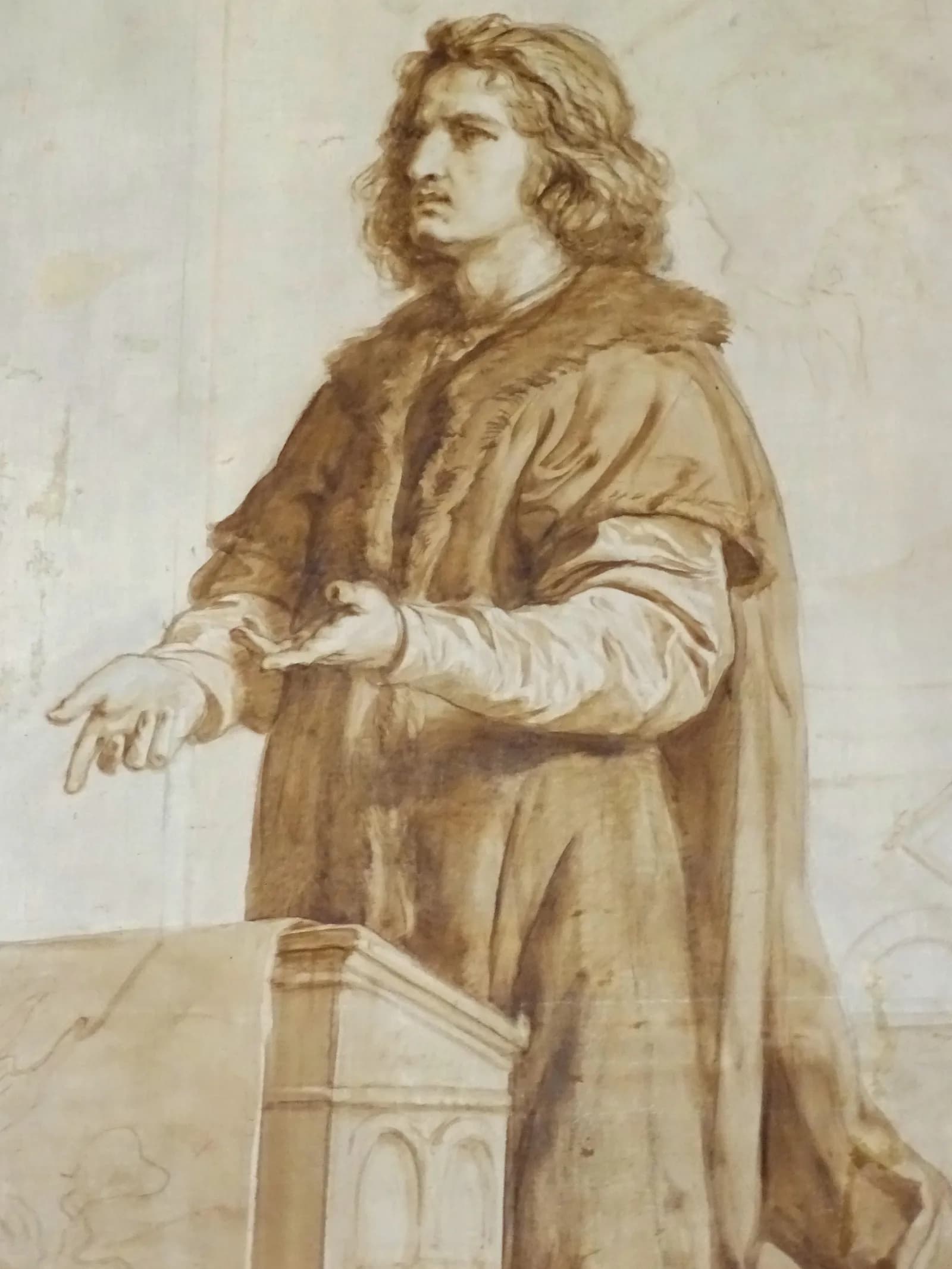
Although remembered worldwide for proposing that the Earth revolves around the Sun, Copernicus spent several important years in Olsztyn between 1516 and 1521 as administrator of the Warmian Chapter's estates.
His role extended far beyond science.
He managed finances, settled legal disputes, organised agricultural development and oversaw the administration of surrounding villages. When war broke out once again between Poland and the Teutonic Order, Copernicus also demonstrated remarkable leadership.
During the Siege of Allenstein in 1521, he strengthened the castle's defences, expanded the garrison and ensured supplies were sufficient to withstand attack. His preparations proved successful, helping protect both the castle and the town during one of the most uncertain periods in Olsztyn's history.
Following the conflict, Copernicus encouraged settlers, particularly from Mazovia, to repopulate nearby lands that had been affected by war, contributing to the region's recovery.
Perhaps his most extraordinary surviving legacy can still be seen inside the castle itself.
Mounted on one of the cloister walls is an astronomical panel created by Copernicus in 1517. Rather than a decorative artwork, it functioned as a precision observational instrument used to study the Sun's movements. It is the only scientific instrument known to have been personally designed and used by Copernicus that survives anywhere in the world, making Olsztyn an essential destination for anyone interested in the history of astronomy.
Olsztyn Castle Today
The Castle of the Warmian Cathedral Chapter continues to define the city's skyline.
Today it houses the Museum of Warmia and Mazury, where exhibitions explore medieval history, archaeology, regional traditions, religious art and the life of Copernicus. Visitors can walk through his former apartments, view centuries-old artefacts and gain a deeper understanding of Warmia's unique past.
The castle is also a vibrant cultural venue.
Throughout the year, its courtyard hosts concerts, historical re-enactments, open-air exhibitions and community events that bring new life to one of Poland's finest preserved Gothic castles.
For many residents, it remains not simply a historic monument but a living part of the city.
Exploring Olsztyn Old Town
Beyond the castle walls lies one of northern Poland's most charming historic centres.
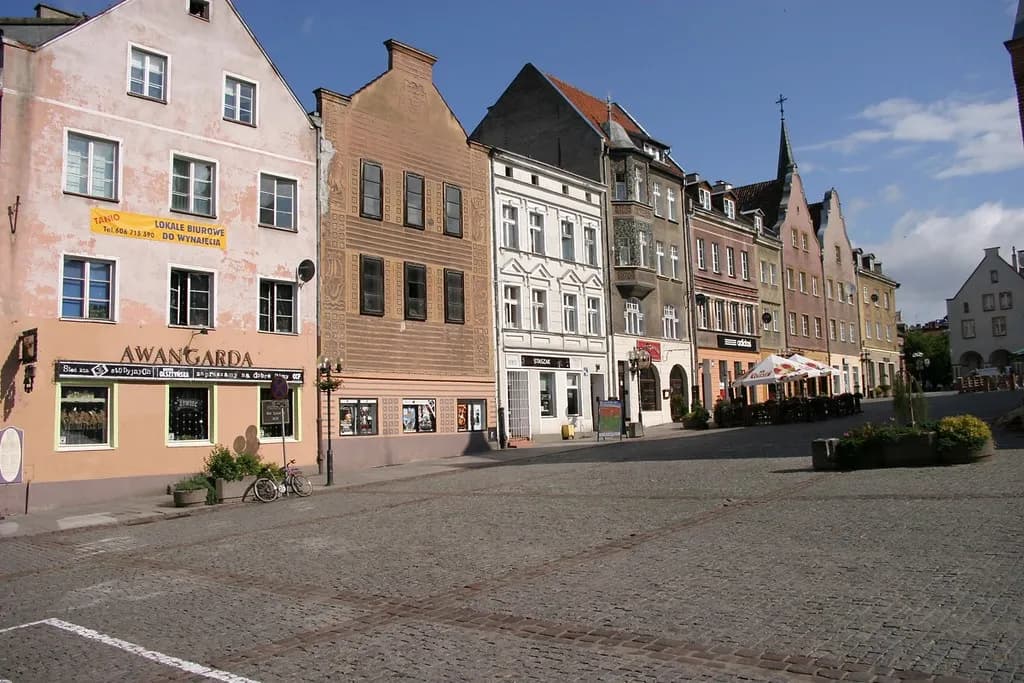
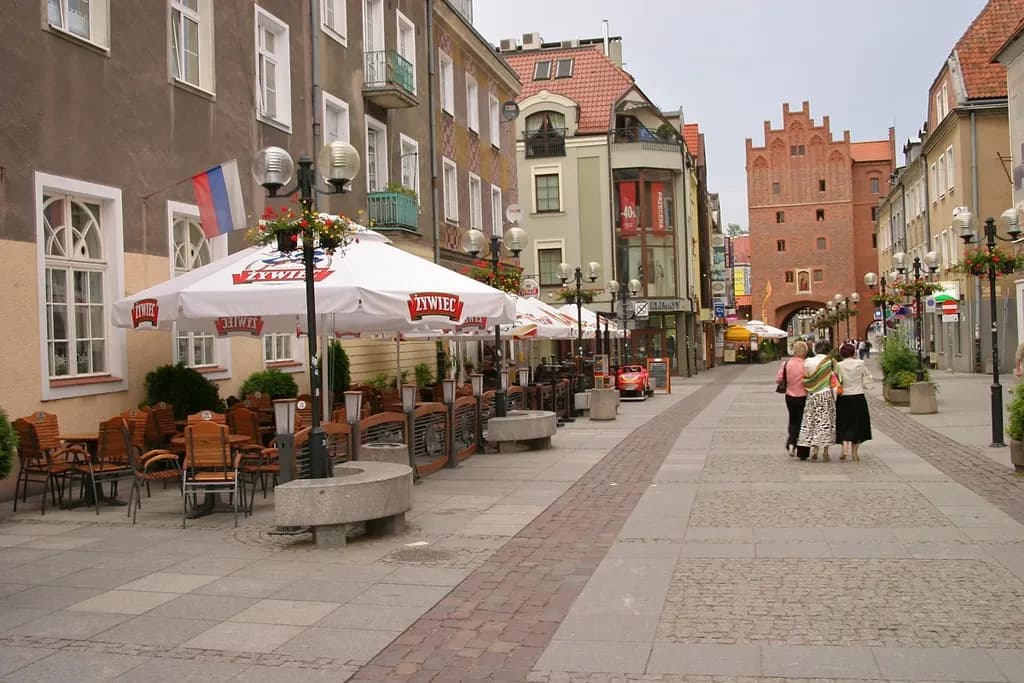
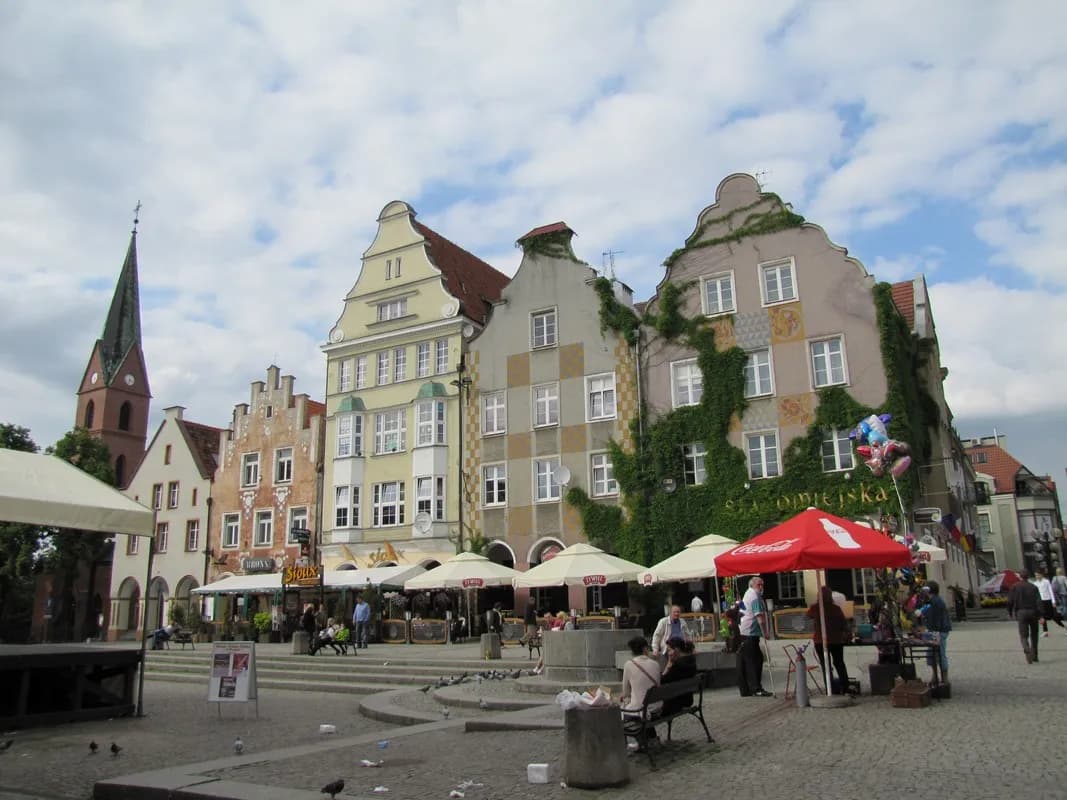
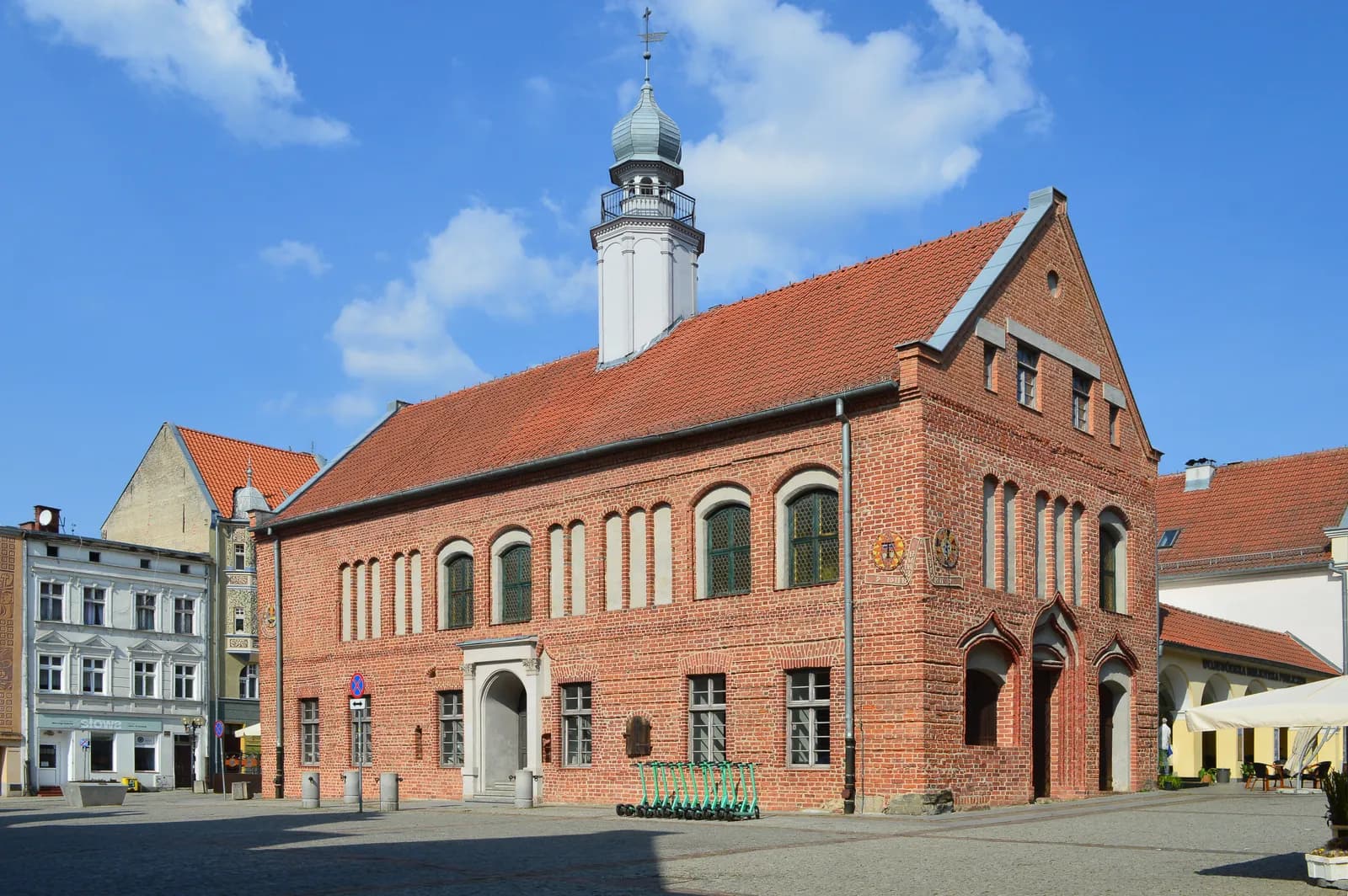
The compact Old Town is filled with colourful merchant houses, inviting cafés and independent restaurants that sit alongside centuries-old churches and public buildings. The High Gate, the only surviving entrance to the medieval defensive walls, offers a striking reminder of Olsztyn's fortified origins.
The Market Square continues to serve as a gathering place for locals throughout the year, hosting seasonal events, festivals and Christmas markets that reinforce the city's strong sense of community.
It is easy to spend an afternoon simply wandering the narrow streets, discovering hidden courtyards, riverside paths and architectural details that tell the story of Olsztyn's long evolution.
A City Surrounded by Water
History is only one part of Olsztyn's appeal.
Few European cities combine urban living with such abundant natural surroundings. Eleven lakes lie within the city boundaries, offering opportunities for sailing, kayaking, paddleboarding, swimming and fishing without leaving the city itself.
Lake Ukiel has become one of Olsztyn's premier recreational destinations, while extensive forests and cycling routes surround the city, making it equally attractive to walkers and nature lovers.
This close relationship between city and landscape has shaped local life for centuries and remains one of Olsztyn's defining characteristics.
Experiencing Olsztyn's History Today
• Visitors looking to explore the history of Olsztyn can experience it in many ways:
• Visit the Museum of Warmia and Mazury inside Olsztyn Castle.
• See Copernicus's original astronomical table.
• Walk the medieval streets of the Old Town.
• Explore the High Gate and the surviving city walls.
• Follow riverside walking routes along the Łyna River.
• Enjoy seasonal festivals and cultural events held within the castle grounds.
Together, these attractions make history feel accessible rather than confined to museum displays.
Did You Know?
• Olsztyn has eleven lakes within its city boundaries, making it one of Poland's greenest regional capitals.
• Nicolaus Copernicus's astronomical panel inside Olsztyn Castle is the only surviving scientific instrument known to have been made by the astronomer himself.
• The city is the historic capital of Warmia, a region that is culturally distinct from neighbouring Masuria despite sharing the same modern voivodeship.
Why Olsztyn's Story Still Matters
Olsztyn's history is far more than a timeline of medieval battles and famous names. It is the story of a city that has continually adapted while preserving the traditions and heritage that make it unique.
From its origins as a fortified settlement on the banks of the Łyna River to its role as the historic capital of Warmia, Olsztyn has been shaped by resilience, scholarship and community. The legacy of Nicolaus Copernicus, the enduring presence of the Warmian Cathedral Chapter Castle and the charm of the Old Town all contribute to a city where the past remains part of everyday life.
Whether you arrive to explore its museums, relax beside its lakes, or simply wander its historic streets, understanding the history of Olsztyn transforms a visit into something much richer. It reveals a city whose identity has been forged over centuries and continues to evolve while remaining proudly connected to its remarkable past.